Project Description
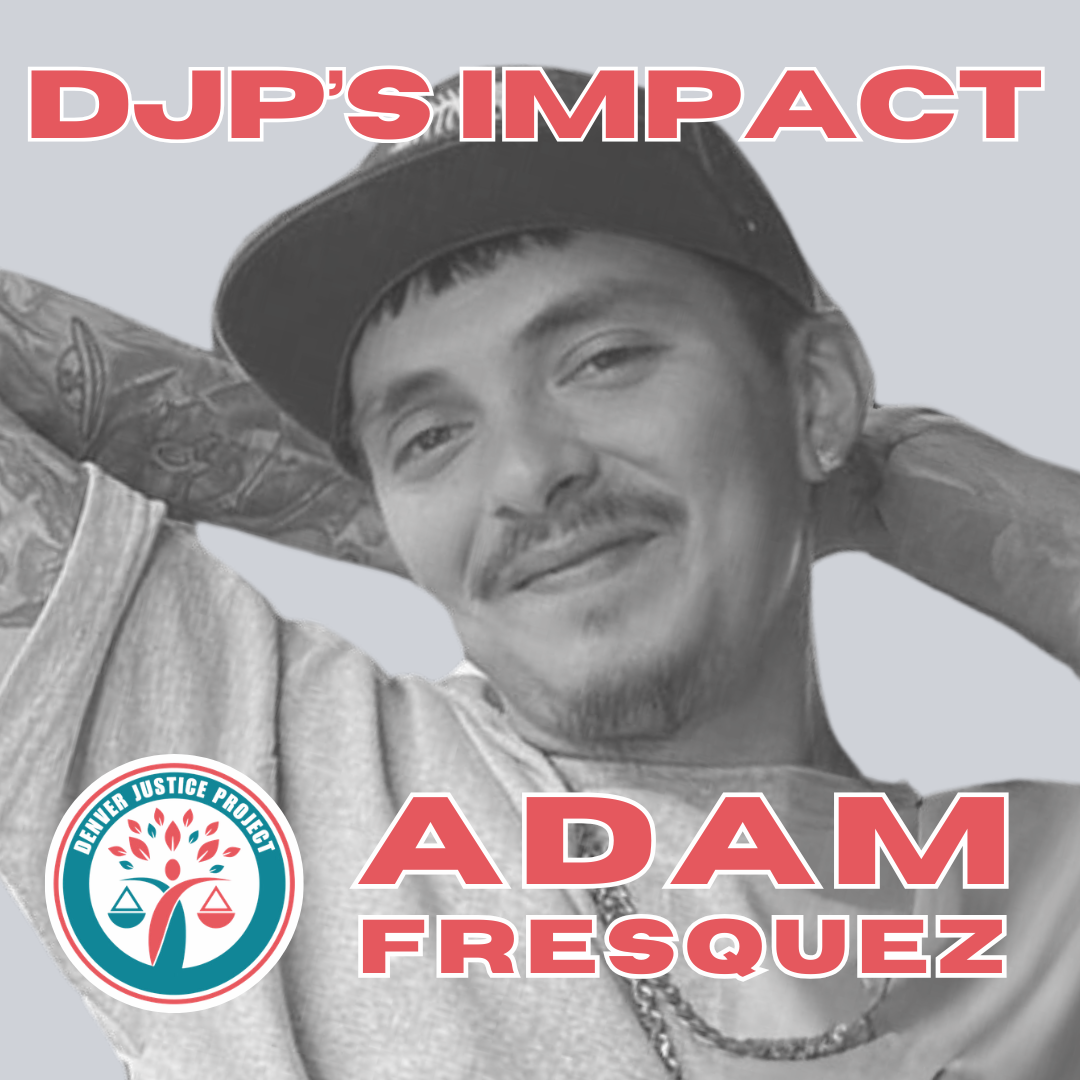
CASE STUDY: ADAM FRESQUEZ
THE CHALLENGE
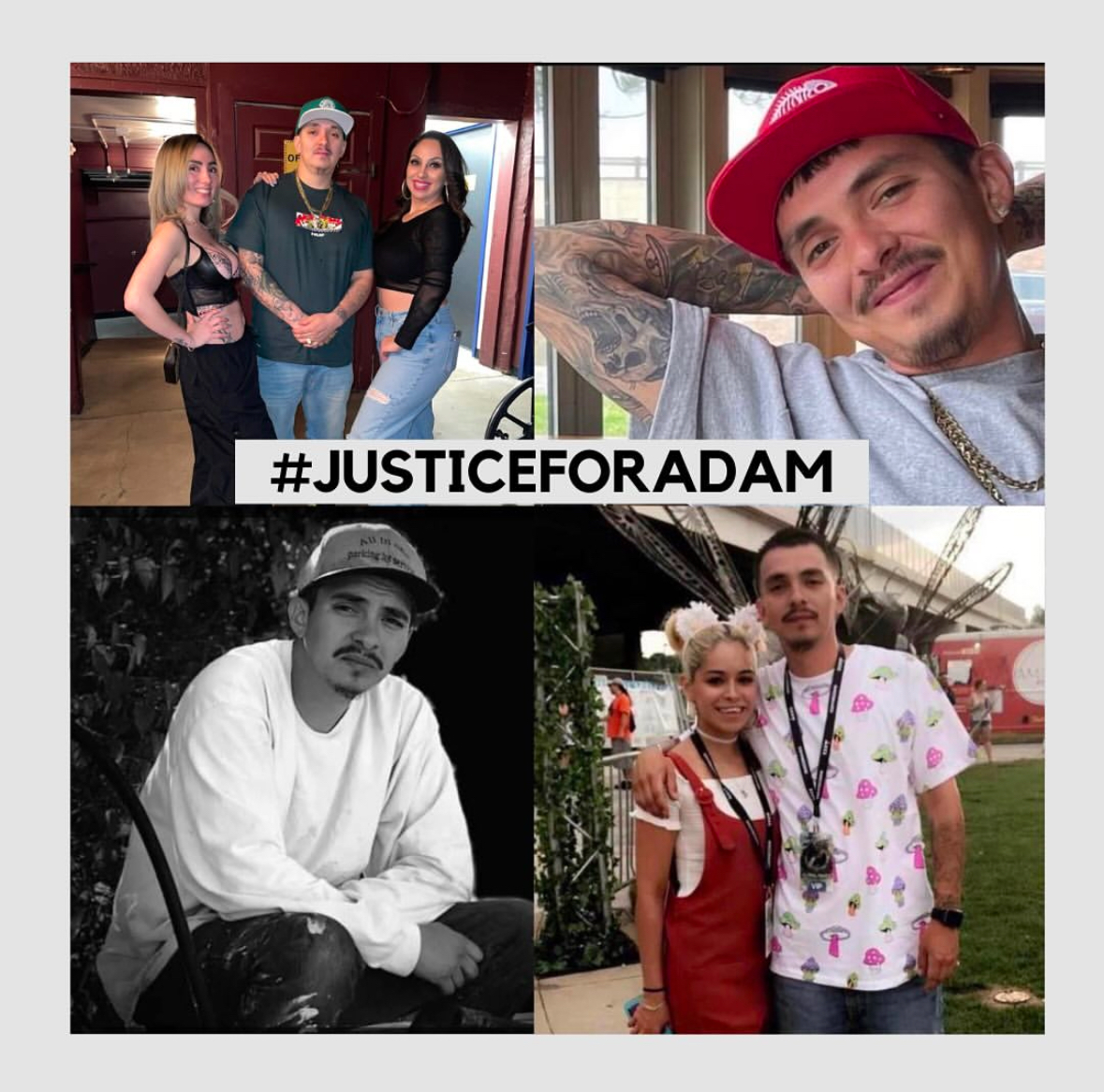
In May 2023, Adam Fresquez, a Latino father, was shot twice in the back and killed by Jeremy Alan Smith, a white man, at a Tesla charging station in Edgewater. Despite this evidence, the Edgewater Police Department (EPD) initially and inaccurately informed Adam’s family that he had been shot in the front — a mischaracterization that framed Adam as the aggressor, perpetuated harmful racial biases, and prevented his family from accessing victim services from the outset. This narrative echoed a familiar and troubling pattern: self-defense claims by white shooters against Black and Brown victims are disproportionately accepted, while the same benefit of the doubt is rarely extended to the victims themselves.
EPD’s handling of Adam’s case reflected deeper, systemic failures. No officer accompanied Adam in the ambulance, missing potential outcry statements. Jeremy Alan Smith turned himself in over the phone but was not initially brought in for questioning — a critical lapse in standard investigative procedure. It took seven months for Smith to be arrested despite evidence warranting immediate investigation, and key forensic evidence, including toxicology tests, was never collected. EPD leadership, including Chief Eric Sonstegard, offered contradictory public statements that undermined the families trust. That is when they contact the Denver Justice Project.
Adam’s case did not happen in isolation. It surfaced amid a documented pattern of negligence and bias within EPD, including a sexual assault cover-up in which a former sergeant was allowed to resign rather than face accountability, mishandled forensic evidence in homicide cases, routine constitutional violations, retaliation against whistleblowing officers, and obstruction of public records requests. All which resulted in a patterns and practices investigation request submitted to Colorado Attorney General Phil Weiser by the Jefferson County District Attorney. Together, these failures raised serious questions about whether Adam’s case was ever going to be handled with the diligence and equity his life deserved.

OUR APPROACH
Denver Justice Project’s approach to Adam Fresquez’s case centered on providing comprehensive, trauma-informed support to his family, advocating for systemic change within EPD, and ensuring Adam’s killer was held accountable, combining public accountability and policy reform to address both the immediate and long-term impact of EPD’s misconduct.
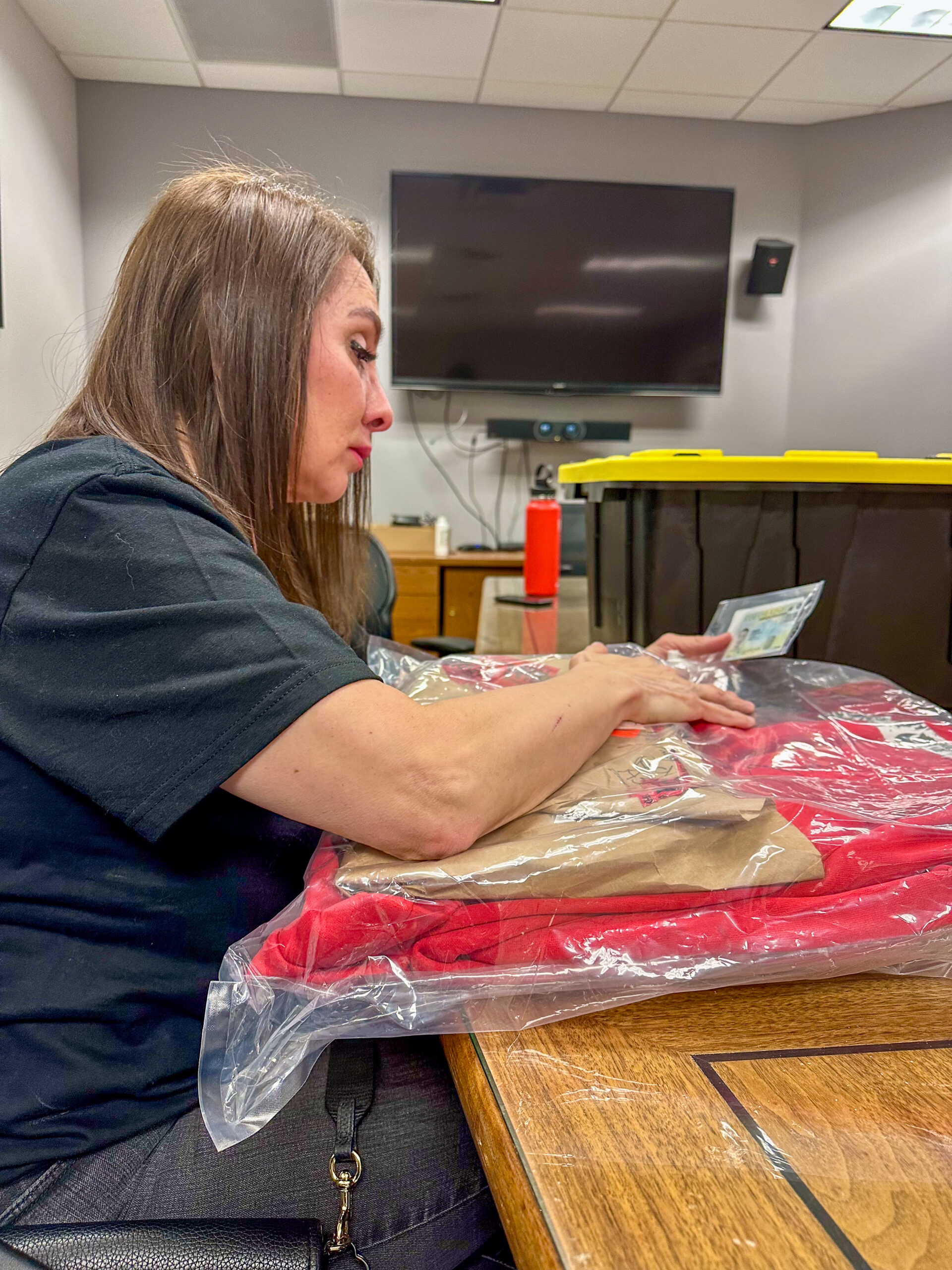
We worked to help secure civil representation for the Fresquez family’s, securing a legal team at Rathod Mohamedbhai, a leading civil rights firm. As well as met regularly with the DA’s office to ensure our advocacy did not impede with their legal strategy and consistently accompanied the family to meetings with the Jefferson County District Attorney’s Office. We provided consistent court support, attending every court date and coordinating virtual participation for family and community members who couldn’t attend in person, offering both emotional support and a visible reminder of public accountability.
To maintain consistent coordination with the family, we held regular strategy calls grounded in consent and collaboration — space for the family to ask questions, share their thoughts and feelings, lead in the way that felt right to them, and plan next steps together. We organized rallies and press conferences at key locations, including outside DA Alexis King’s office, Edgewater City Council meetings, and Jeremy Smith’s court dates, demanding transparency in the investigation while spotlighting the broader pattern of misconduct within EPD. Through strategic social media campaigns, we amplified Adam’s story and sustained public pressure on EPD and the DA’s Office — galvanizing court support, educating the public, and mobilizing community involvement.
Our advocacy extended into policy as well: DJP supported former and current Edgewater Police officer whistleblowers who testified in favor of the Law Enforcement Accountability Bill (HB24-1460), legislation partly inspired by the case of an Edgewater officer who was fired and had her POST certification revoked after reporting sexual assault by former EPD officer Nathan Geerdes. DJP testified at the same hearing alongside members of the Fresquez family, amplifying demands for accountability within EPD and pushing for systemic reform.



THE IMPACT
Despite EPD’s initial recommendation to file no charges, community pressure and the Fresquez family’s persistence pushed the DA’s Office to charge Jeremy Alan Smith with second-degree murder and reckless manslaughter — holding open, for the first time, the possibility of real accountability. But in February 0f 2025, an almost entirely white jury in Jefferson County returned a verdict of not guilty on both counts.
That outcome is its own evidence of the pattern DJP set out to name: self-defense claims from white shooters are afforded a benefit of the doubt that Black and Brown victims like Adam are almost never given, even when the physical evidence tells a different story than the one first offered by police. A jury that did not reflect the community Adam came from ultimately decided his case, and the system that failed him and his family at every earlier stage — misleading reporting, a delayed arrest, uncollected forensic evidence — failed him again at the end.
DJP does not measure the value of this work by that verdict. By centering Adam’s story, we transformed abstract issues like police misconduct and racial injustice into the lived experience of a real family, and exposed the unequal application of self-defense laws along racial lines for a wider public. What mattered just as much as the courtroom outcome was standing with the Fresquez family through every stage of a process the system was never built to hold with care — providing direct access to critical resources, both within DJP and through our broader network, so the family had the tools to advocate for themselves and were never made to navigate this alone.
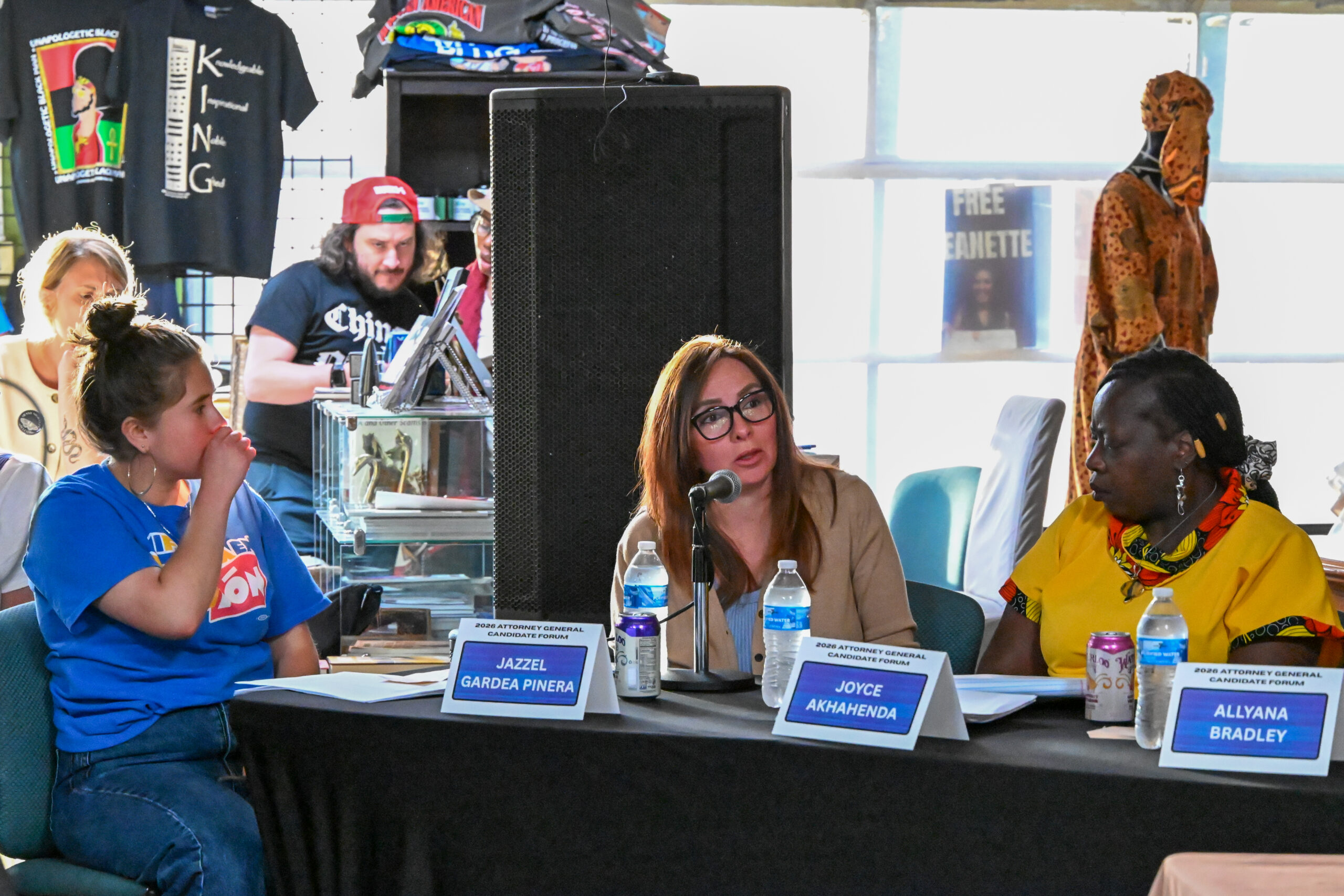
The needs of Adam’s family didn’t end with the verdict, and neither did our advocacy. We continue to support the family in the aftermath of a trial that denied them justice, and Adam’s mother continues to advocate for change in community spaces across Colorado — carrying his story forward as part of a larger fight for systemic reform, so that what happened to Adam does not happen to the next family.


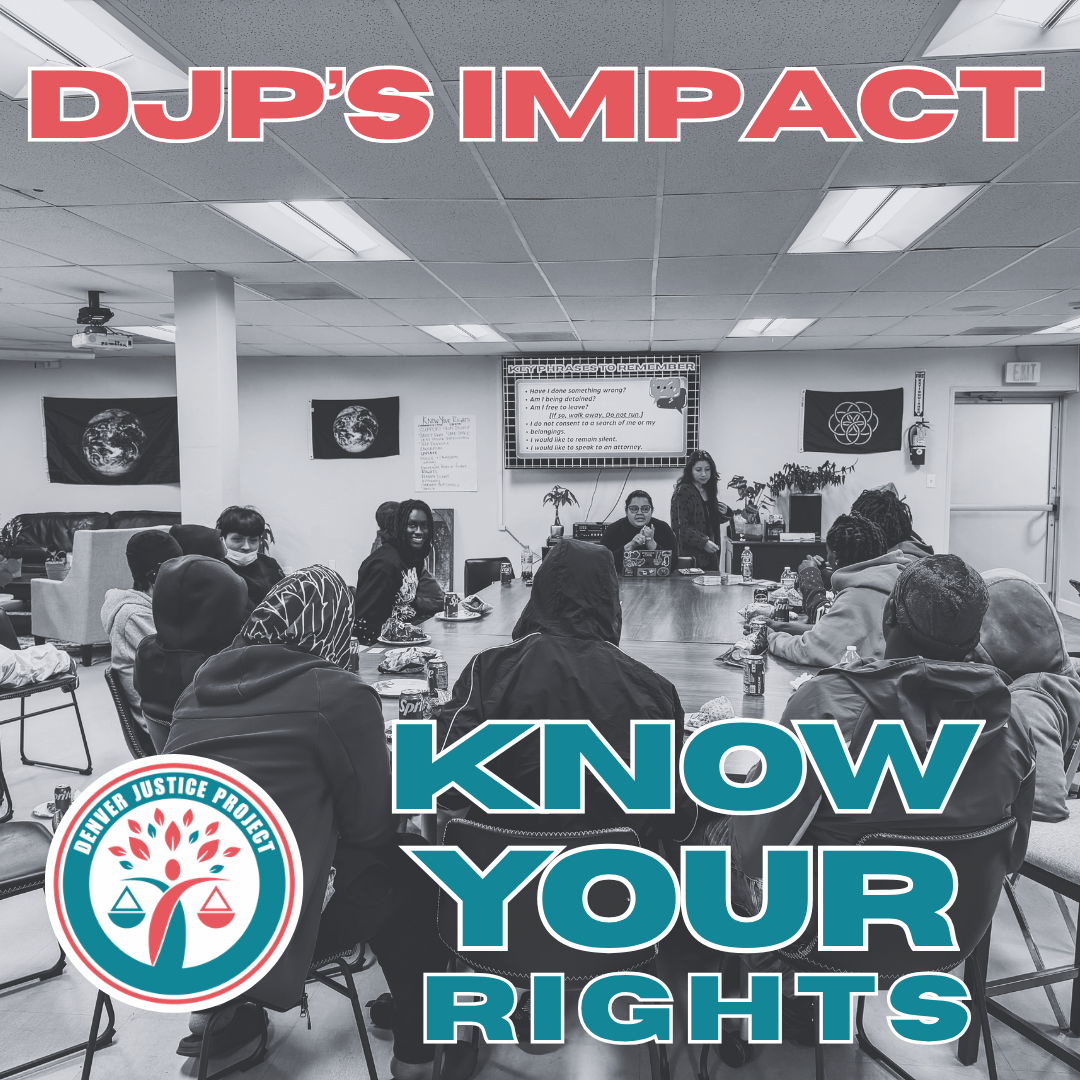
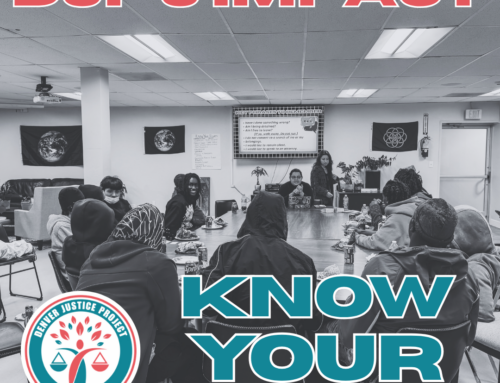
IMPACT: KNOW YOUR RIGHTS
CASE STUDY: KNOW YOUR RIGHTS TRAININGS [...]
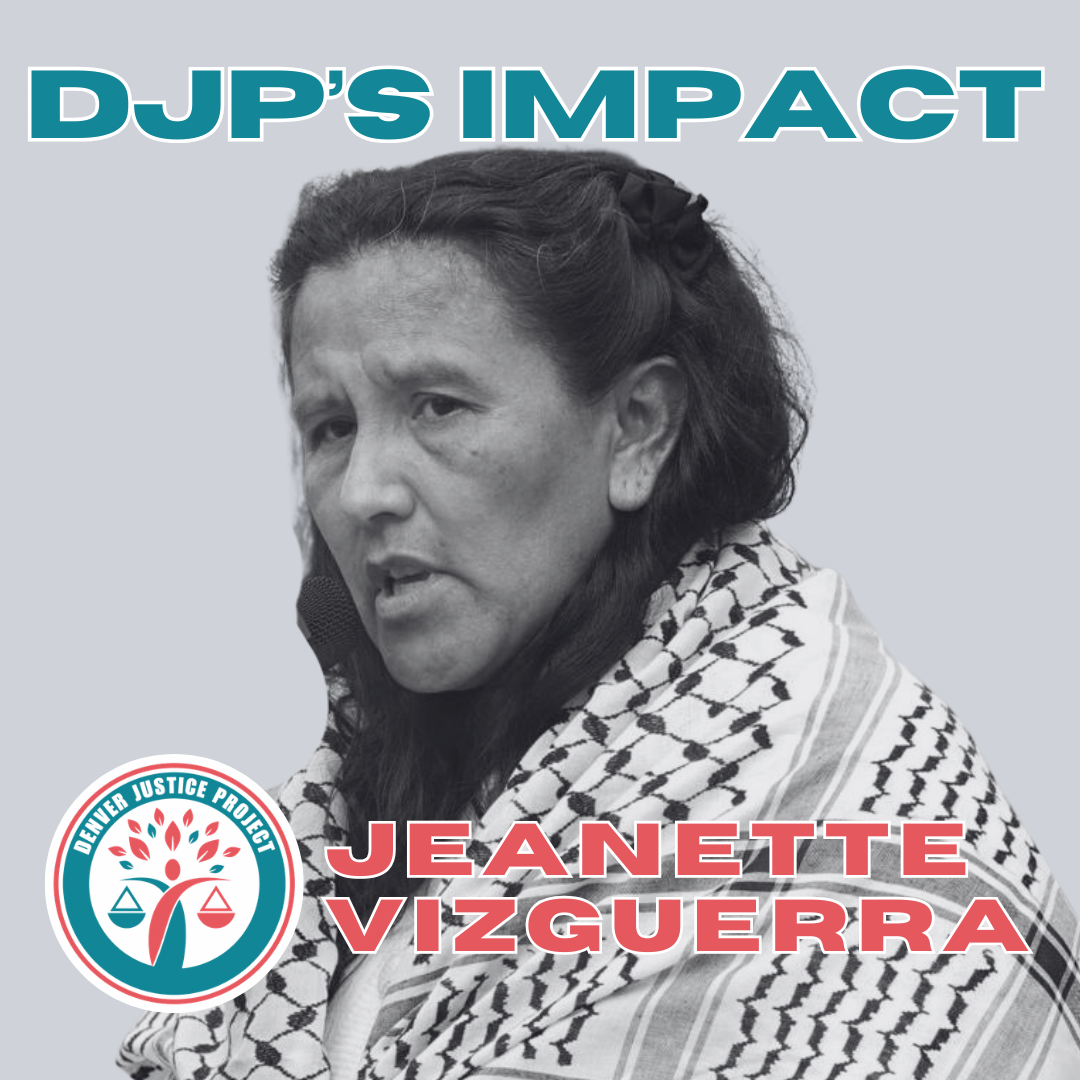
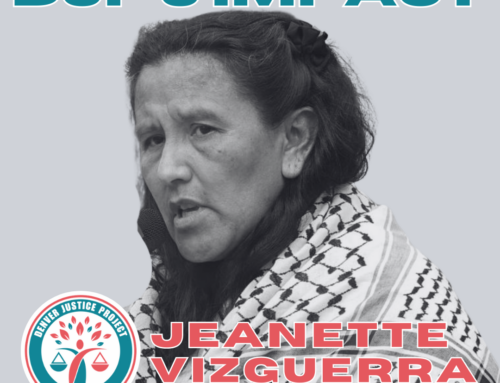
IMPACT: JEANETTE VIZGUERRA
CASE STUDY: JEANETTE VIZGUERRA THE [...]
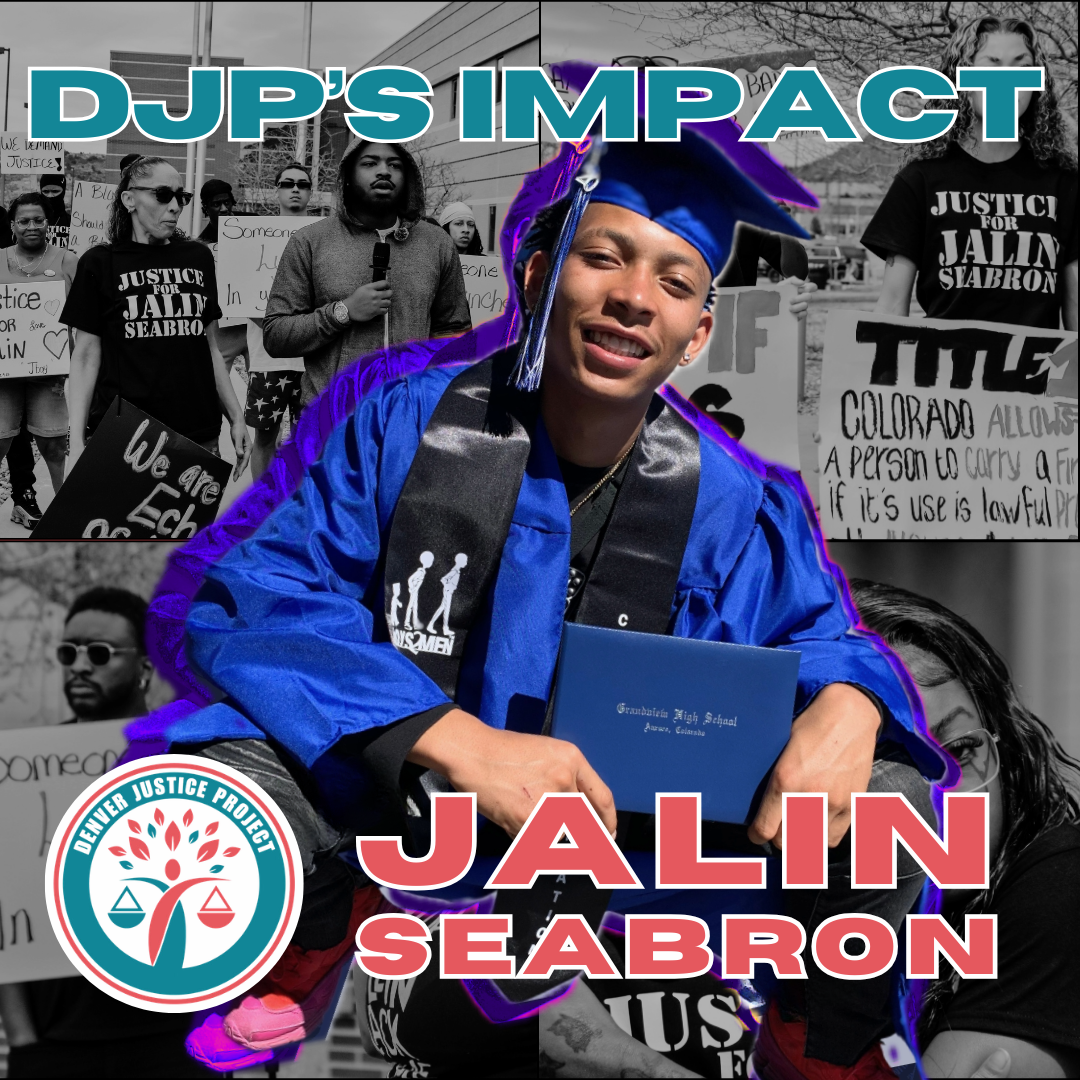

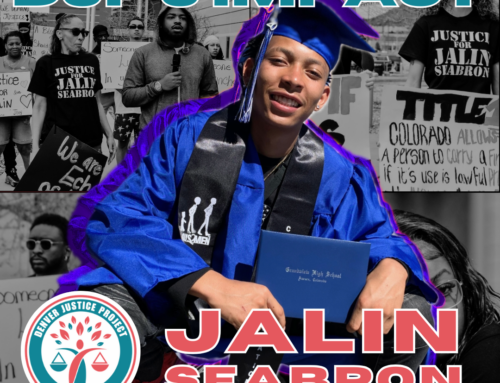
IMPACT: DISTRICT ATTORNEY
CASE STUDY: DISTRICT ATTORNEY THE [...]

SIGN UP FOR OUR NEWSLETTER!